From Drone Manufacturing
to Validated Agricultural Solution
Every drone system we develop follows a structured research and validation process before it is prepared for commercial deployment.
Our R&D Hub extends the manufacturing process through engineering, field testing and applied research, ensuring every drone system is validated under real agricultural conditions before commercial release. Whether it is an Agricultural UAV Platform, a Precision Spraying System or AI-Supported Field Reporting, every solution is validated through the same practical R&D methodology.
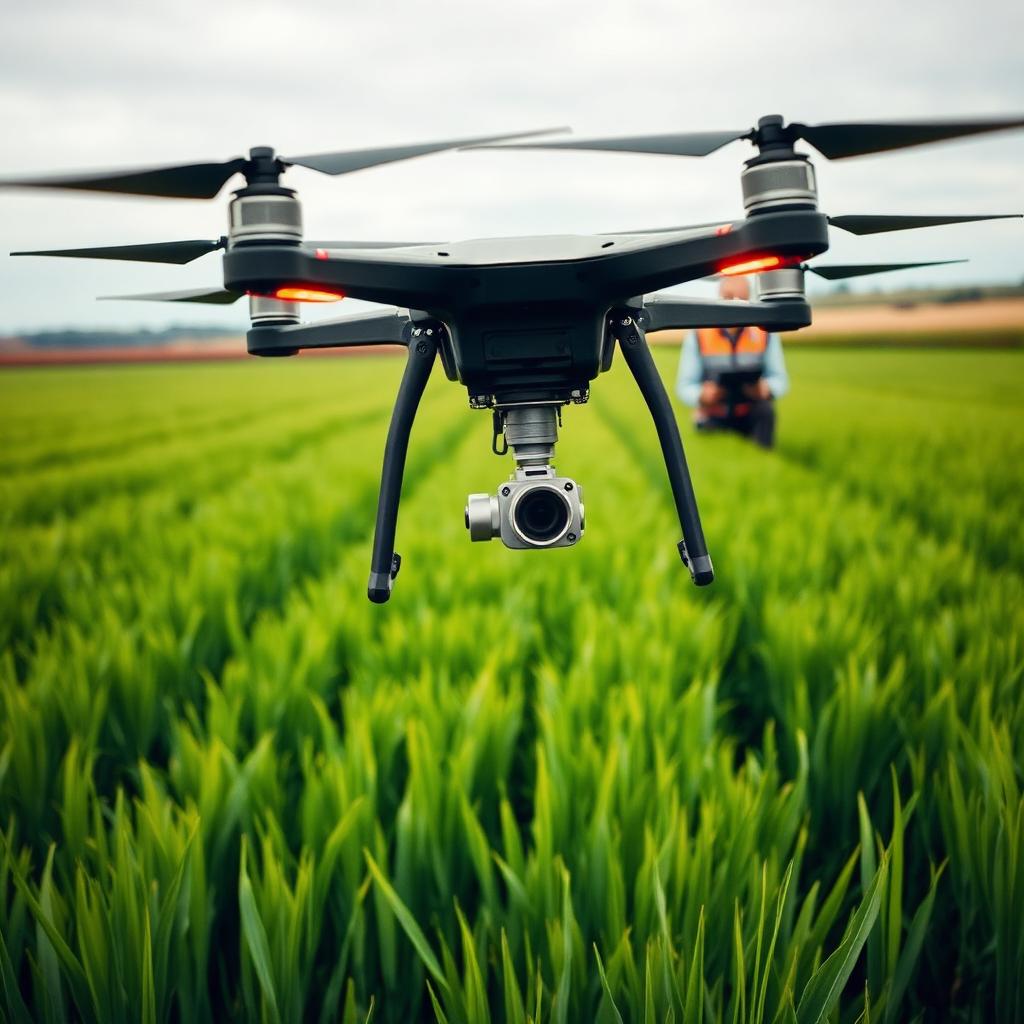
Our manufacturing capability provides the technical foundation
How We Develop Agricultural Innovation
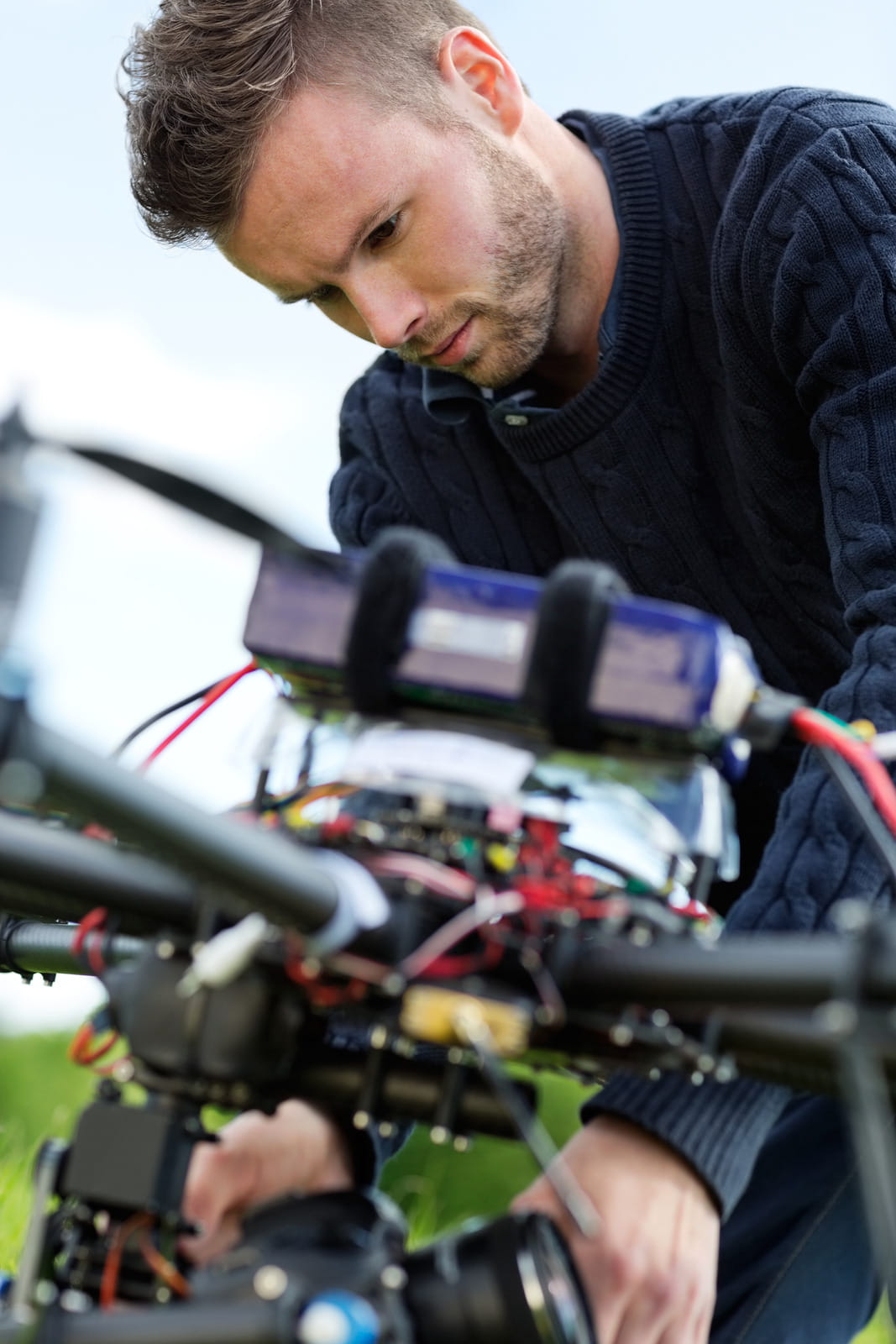
The R&D Hub builds on our manufacturing foundation by testing, validating and refining drone technologies under real agricultural conditions. Field data collected during this process supports engineering improvements, agronomic understanding and future commercial applications.
Solving real agricultural challenges
Research Priorities
Our research focuses on practical questions that can improve agricultural decision-making and support future commercial drone technologies. Current areas of development include:
- validating agricultural UAV platforms
- improving precision spraying systems
- adapting drone technologies for Irish farming conditions
- improving crop monitoring
- combining UAV and satellite observation
- developing AI-supported field reporting
Rather than pursuing research in isolation, every project is designed around practical agricultural use cases with measurable commercial potential.
Testing Technologies Where They Matter Most
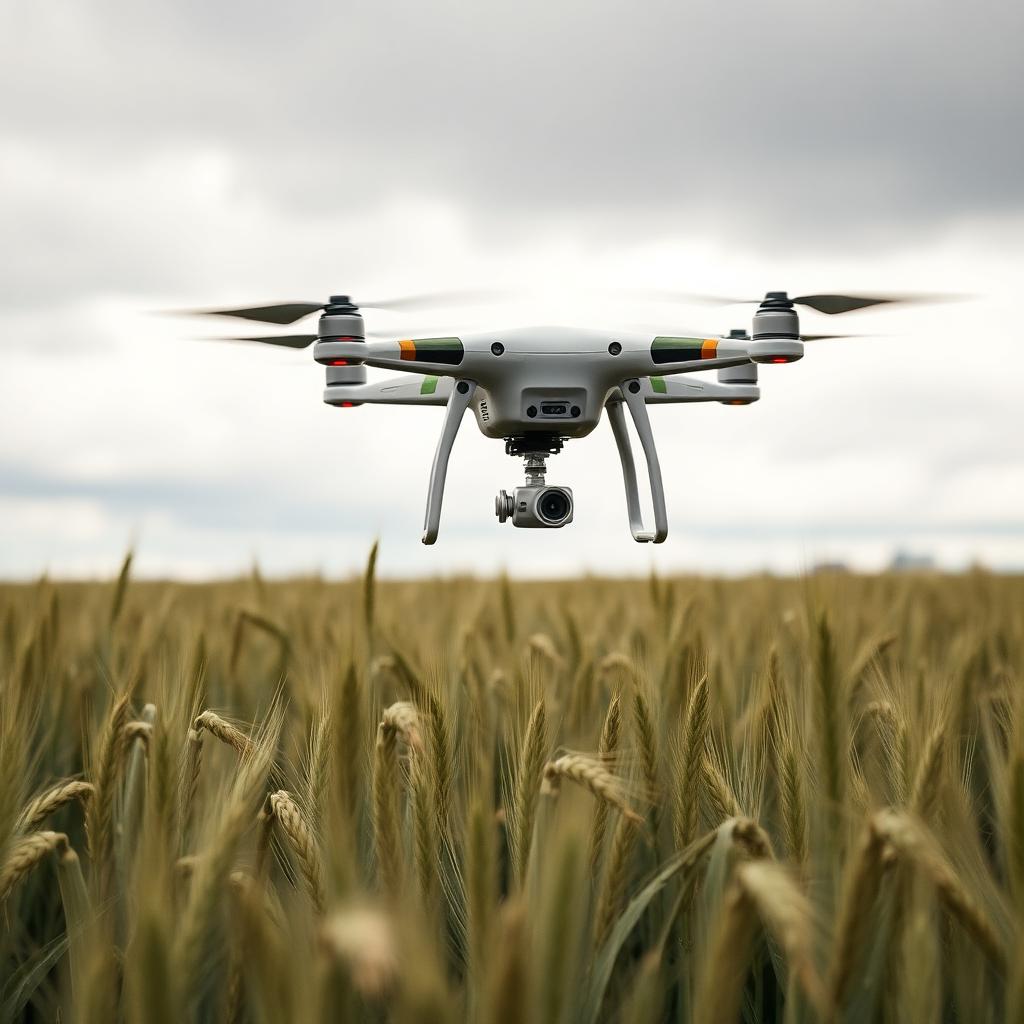
Every drone platform, payload and supporting technology developed within the hub is tested under real agricultural conditions before moving towards commercial deployment.
Field pilots help us understand not only how a technology performs, but also how useful it is for farmers, agronomists and future commercial partners.
Validation activities include:
- crop monitoring trials
- precision spraying assessment
- UAV and satellite comparison
- sensor performance evaluation
- agronomic interpretation
- stakeholder feedback
The insights gained through field validation directly influence future product development.
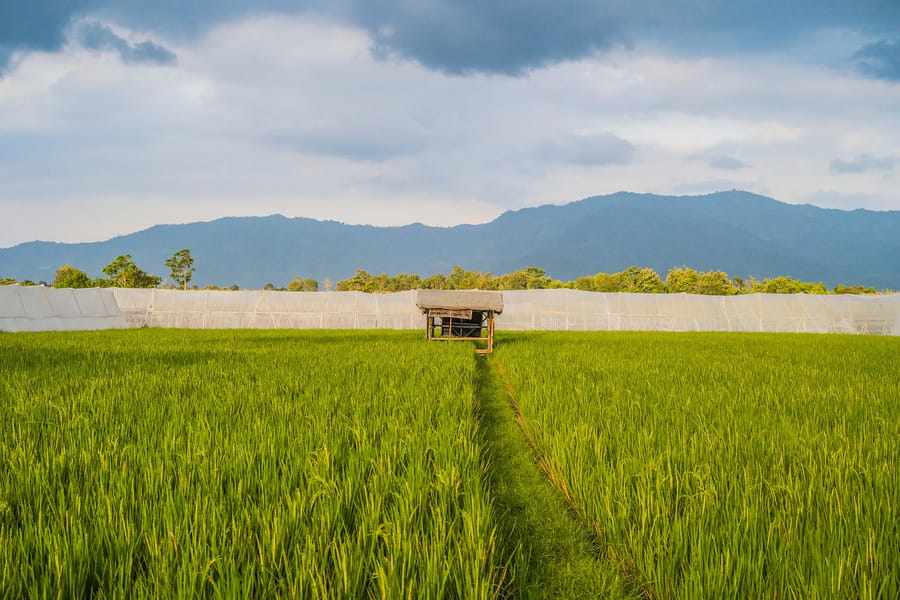
A One Health approach to agriculture
Supporting Healthier Farming Through Better Decisions
Our R&D activities align with the One Health approach, recognising that crop health, soil quality, water resources, biodiversity and food production are closely connected.
By combining UAV technologies, field validation and structured agricultural data, we aim to help farmers make more informed decisions that improve productivity while reducing unnecessary environmental pressure.
Earlier detection of crop stress, moisture imbalance or disease risk allows agricultural inputs to be applied more precisely, supporting healthier crops, more efficient resource use and more resilient farming systems.
Turning field data into reusable intelligence
Our Data Standards
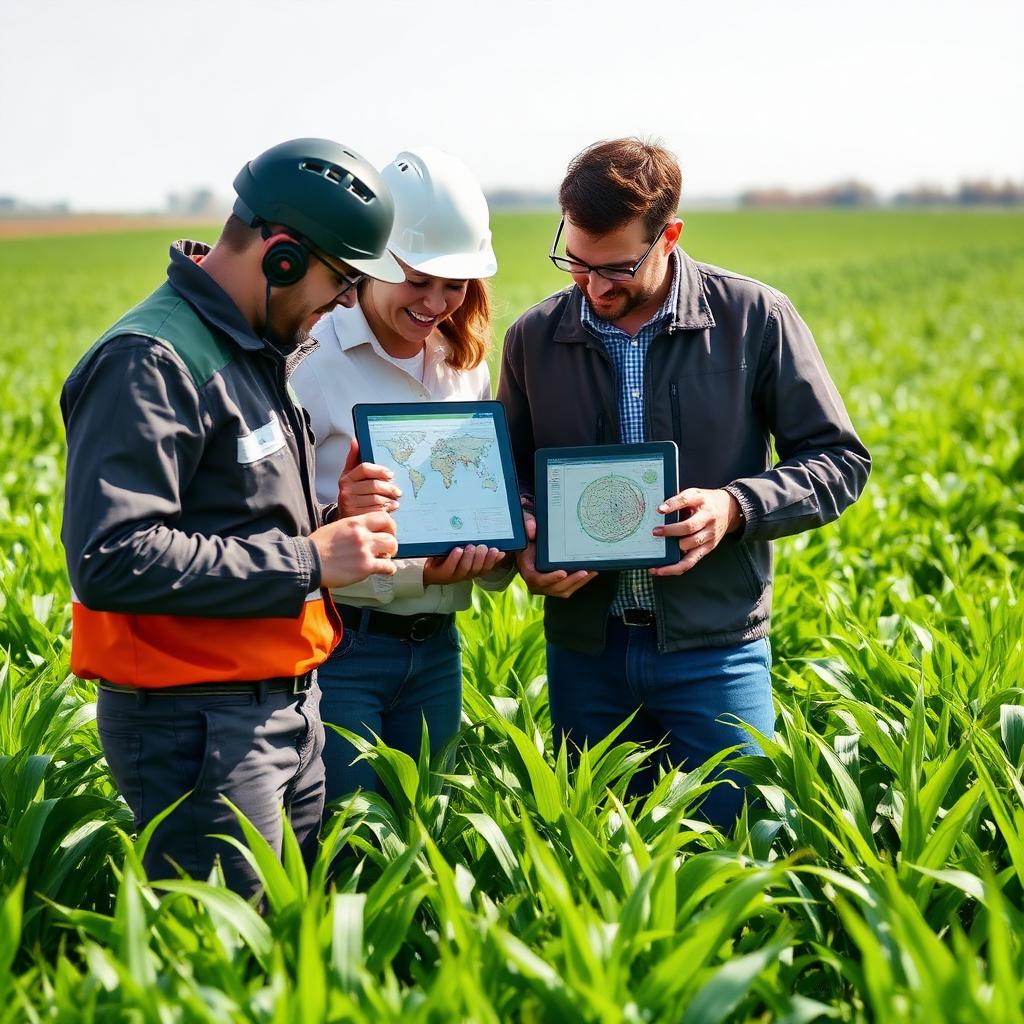
Each field pilot validates drone technologies while generating structured field data that supports agronomy, AI development and future commercial products.
We document platform specifications, sensor details, flight parameters, crop type, growth stage, weather conditions and agronomic context. This allows every dataset to support multiple downstream uses — from AI model research to commercial technology.
We collect field data together with the conditions that explain it: crop, soil, water, weather, timing and agronomic judgement. The hub is designed to make that context reusable.
Structured Data Principles
Findable
Every dataset is documented, organised and easy to locate for future projects.
Accessible
Datasets are stored with clear metadata, access protocols and permissions so authorised researchers and partners can retrieve them.
Interoperable
Datasets are structured to integrate with agronomic platforms, GIS tools and AI workflows.
Reusable
One field pilot creates knowledge that can support research, product development, AI training and future commercial applications.
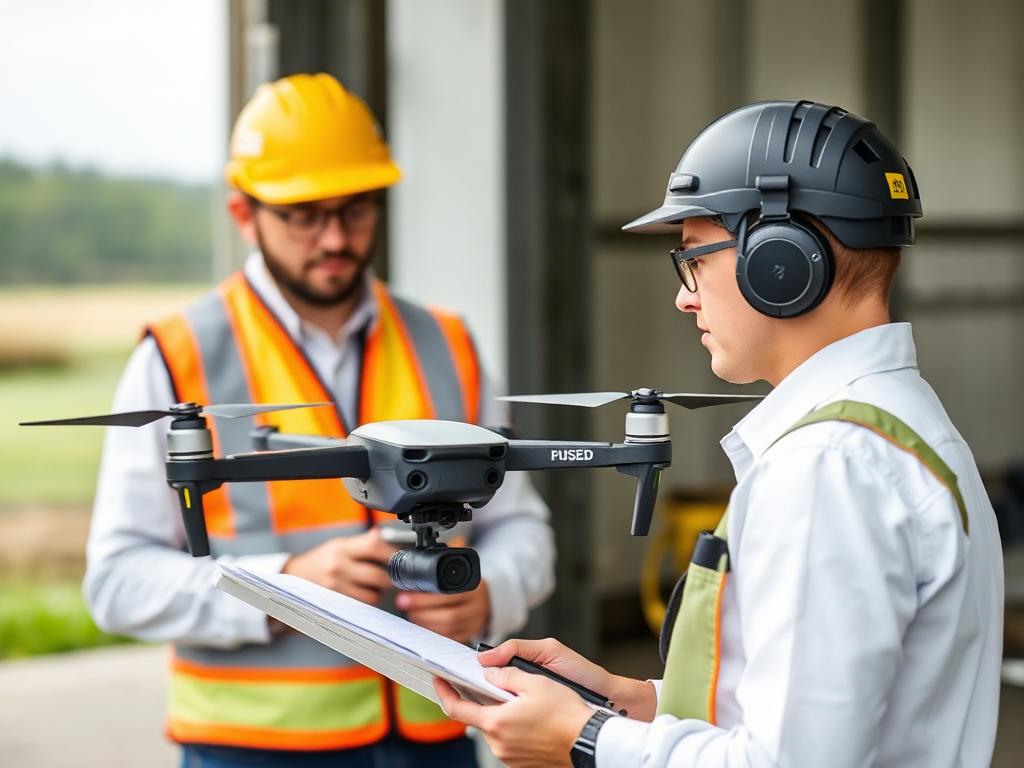
Building innovation with safety and responsibility
Responsible R&D
From the first field tests, we consider how the technology will operate safely, legally and practically in real agricultural settings. Our R&D methodology integrates regulatory awareness throughout every stage of development.
Areas of focus include:
- Irish Aviation Authority (IAA) requirements
- EASA regulatory framework
- operational safety
- field risk assessment
- landholder permissions
- responsible data management
By considering compliance from the beginning, we aim to reduce future deployment barriers while supporting safe and scalable UAV adoption.
Why Cork Supports Applied R&D
Cork provides an ideal environment for designing, testing and validating agricultural drone technologies through close collaboration with farmers, universities and research organisations.
diverse agricultural landscapes across Munster
access to University College Cork (UCC)
collaboration opportunities with Munster Technological University (MTU)
Teagasc research expertise
Local Enterprise Office Cork and Enterprise Ireland innovation ecosystem
strong engineering and manufacturing capability
This ecosystem enables practical field validation while supporting long-term commercial growth.

Our R&D Roadmap
Building research capability step by step.
Phase 1
Establish the manufacturing-supported R&D framework, define priority agricultural use cases and launch the first field validation projects for agricultural drone systems.
Phase 2
Expand validation activities, strengthen research partnerships and prepare technologies for commercial applications.
Phase 3: Validated Drone Solutions & Shared Field Data
As the field pilots progress, the data collected from farms will be structured into a shared platform. This will bring together agricultural context, drone-based observations and field signals in one place — helping us compare results, refine the methodology and build a stronger knowledge base for future agronomic and commercial tools.
Phase 4
Scale validated solutions, develop export-ready methodologies and support international commercial deployment.
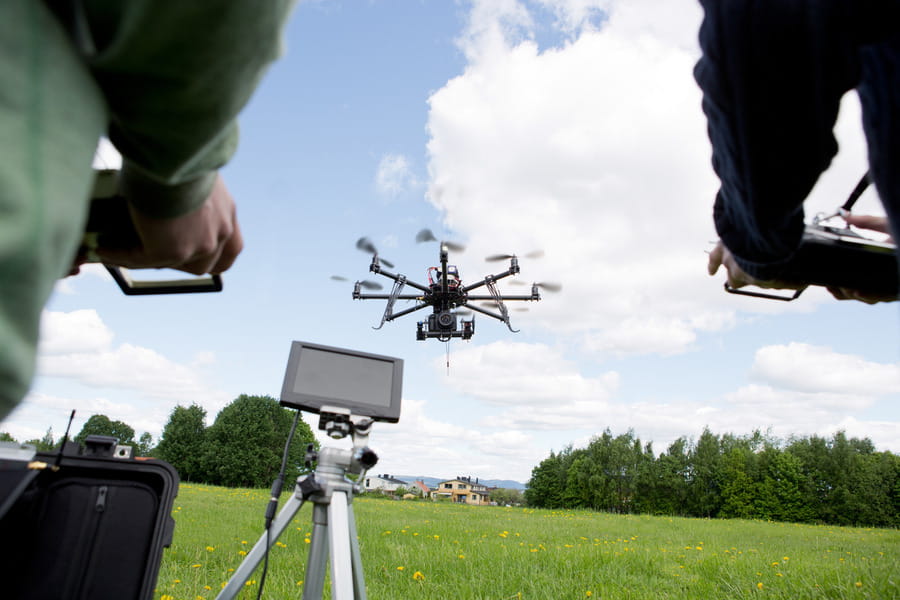
Developing more than technology
Building Skills for the Future
The R&D Hub supports the continued development of Ireland's drone manufacturing and agri-tech capability through knowledge sharing, engineering expertise and applied research.
As the project grows, we plan to:
- create specialised R&D and engineering roles
- collaborate with universities and students
- develop demonstration projects
- support knowledge transfer across agriculture and technology
- contribute to the long-term growth of Ireland's UAV sector
Every technology begins with an idea
From Research to Real World Impact
Through manufacturing, applied R&D and field validation, we transform agricultural drone technologies into practical commercial solutions ready for Irish farms and international markets.